Basket Empty
Compendium
Agustín Remiro Manero
- Known for
- Warfighter
- Born
- Died
Biography
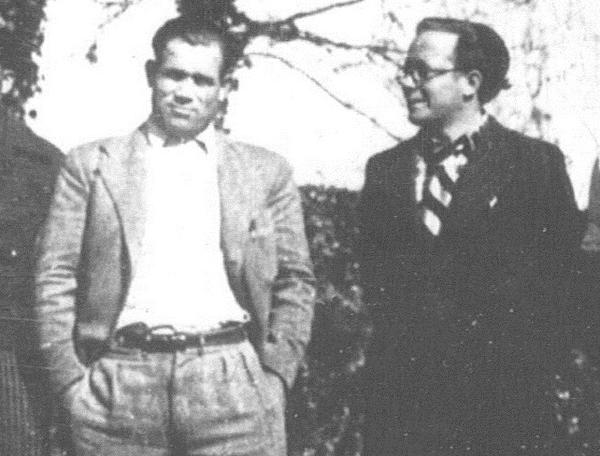
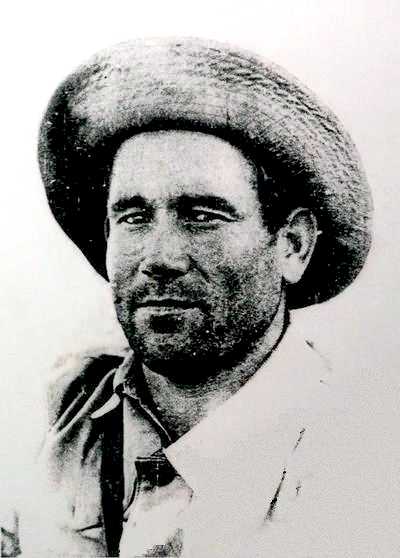
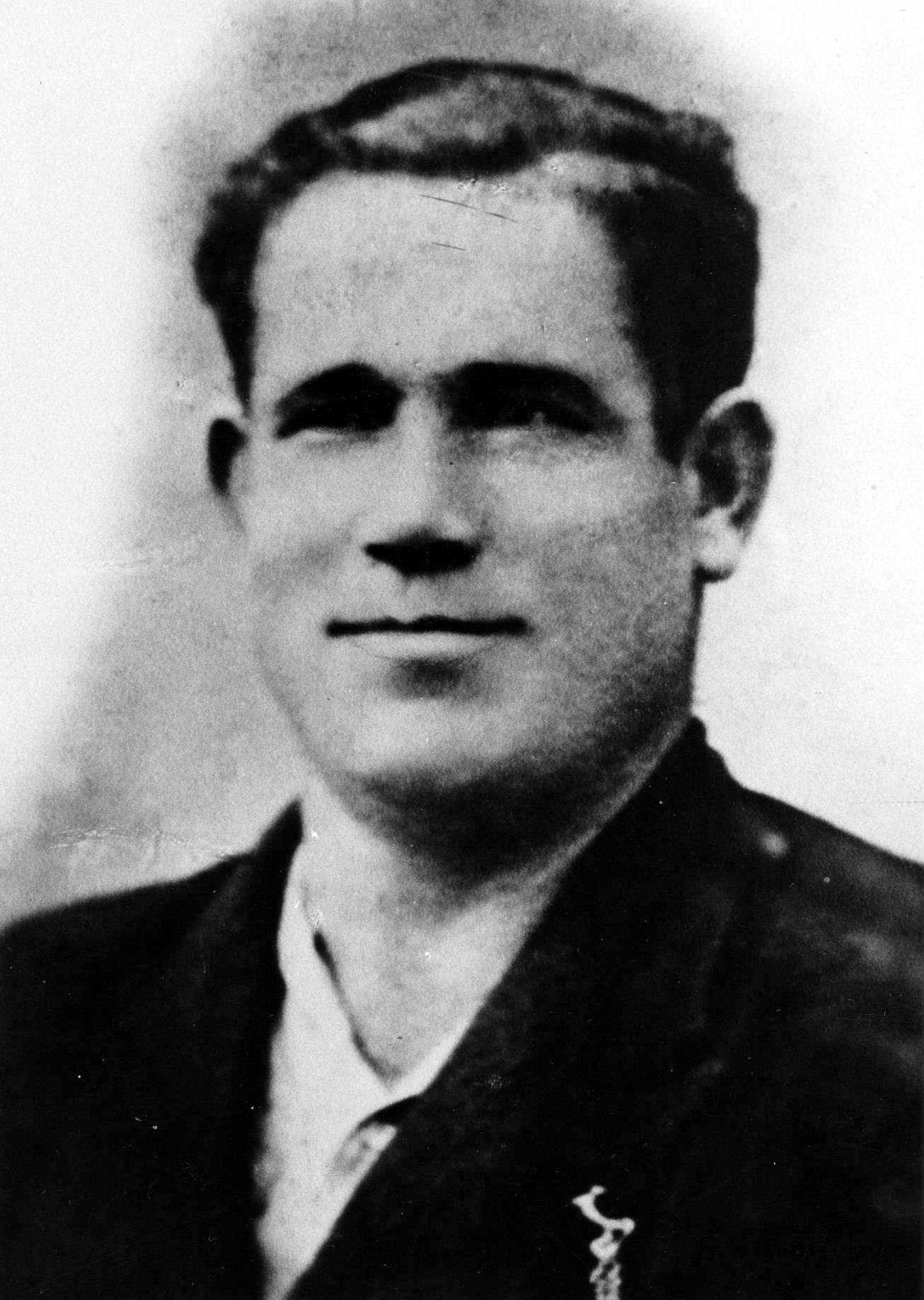
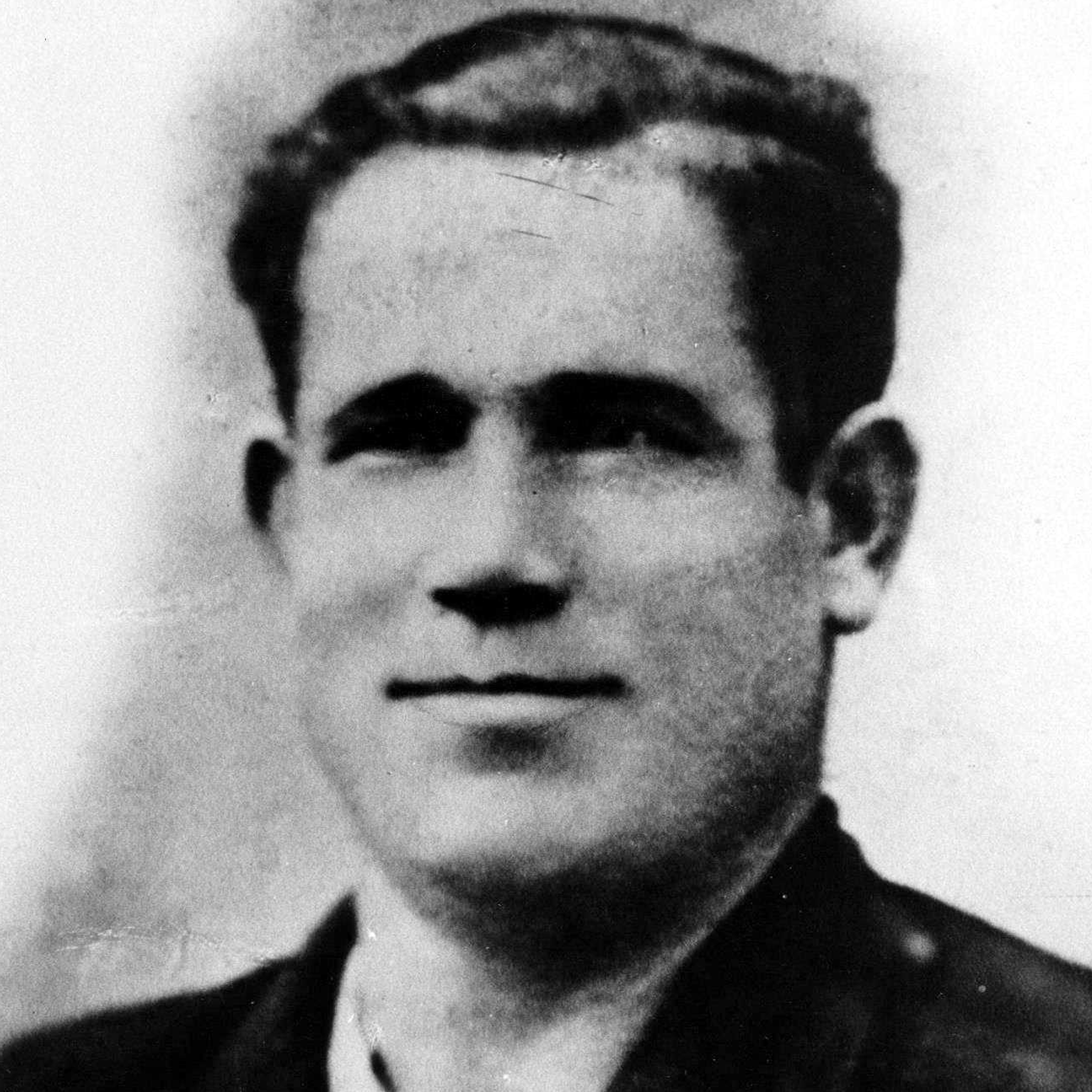
Born in Épila (Zaragoza, Aragon, Spain), the Cenetista militant and anti-Francoist resistance fighter Agustín Remiro Manero (Mangón) was the son of a peasant family with numerous children, known as Los Mangones. His parents were Santos Remiro Medina and María Manero Ibáñez. He was only ten years old when he was able to attend school, but he remained a passionate reader throughout his life.
In 1919, he joined the Society of Sugar Workers and the Society of Agricultural and Miscellaneous Workers of the National Confederation of Labour (CNT), motivated by accounts of the judicial murder of Francesc Ferrer i Guàrdia and the events of the Tragic Week. In 1925, he entered the Army and served for two years in Africa, where he displayed a rebellious attitude and was consequently sent to a disciplinary battalion that fought during the most difficult stages of the war against Abd el-Krim.
After returning to Épila, he formed an anarchist group and carried out extensive clandestine organisational work. Following the fall of Primo de Rivera, he became one of the CNT's most prominent militants and gained considerable popularity in the Jalón basin, giving talks and attending meetings with figures such as Ascaso and Ballester. In 1932, he actively participated in the strike at the sugar factory in Épila, which resulted in two deaths and several injuries, while working from the secretariat of the Regional CNT. That same year, he took part in the revolutionary movement of December, and his civil wedding was the first to take place in Épila. In 1934, he directed the construction of the CNT headquarters in his town. The following year, he rejected offers from the Zaragoza leaders of the Falange, who had proposed that he become the provincial leader of the organisation.
When the military coup broke out in July 1936, he was working as a day labourer in Used and returned to Épila. However, the workers' resistance was defeated on July 26. He crossed the Ebro, joined other fugitives, and reached Tardienta in August, by then in the Republican zone.
He joined the Durruti Column as commander of the XI Centuria and later served in the Ortiz Column. Together with the Gallart group (La Noche), he carried out numerous operations behind enemy lines, aimed particularly at facilitating the escape of people trapped in Zaragoza. He was also responsible for the group Los Iguales, together with Cayetano Continente and Juan Bautista Albesa. The group specialised in sabotage operations targeting bridges, railways, and major infrastructure, as well as in rescuing prisoners. It operated in the Fuendetodos area in September and, months later, became associated with the Carod-Castán Column of the 118th Brigade of the 25th Division.
He fought in the offensive against Zaragoza, including the capture of the Sillero geodesic vertex, and participated in the Battles of Belchite and Teruel in 1937. After the capture of Teruel, he left for Valencia with his group. Following the loss of Teruel, he fought at Cedrillas.
When the Republican front collapsed and the territory under Republican control was split in two following the fall of Vinaròs to Francoist forces, he remained in the Catalan zone. At the request of the commander of the Army of the East, Pérez, he agreed to form and command Machine Gun Battalion C, known as the Remiro Battalion. It consisted of 470 men, mostly Aragonese guerrillas and volunteers, and took part in numerous actions, particularly on the Lleida front, including operations around Tremp, Sort, and Balaguer.
Wounded during fighting at the Esplà Vertex in the summer of 1938, he underwent surgery in La Seu d'Urgell. He subsequently went into exile in France and was interned in the concentration camps of Argelès-sur-Mer and Mazères.
After escaping from the concentration camps, he made contact with Francisco Ponzán Vidal, Joan Català, and Laguarta. Together, they carried out numerous rescue operations for people involved in the resistance in Spain. They also brought the first CNT delegates to France, including Esteban Pallarols.
With the outbreak of the Second World War, and at Ponzán's request, he agreed in March 1940 to collaborate with the Allies through the Pat O'Leary Network, fighting the Germans in Spain. He was agent no. 3,004 of MI6, the British Secret Intelligence Service. He carried out various missions as a courier and liaison agent and helped people in danger escape, including Jews, anti-fascist politicians, and RAF pilots who had been shot down. At the same time, he remained actively involved in the CNT's confederal organisation, maintaining direct links with the National Committee of the CNT, as well as in the anti-Francoist struggle.
On January 23, 1941, while carrying out a courier mission for the British, he crossed the border from Pontevedra and was arrested by the Police of Surveillance and Defence of the Estado Novo (PVDE) in Portugal. Three days later, he was handed over to the Francoist authorities at Valencia de Alcántara (Cáceres).
He was sentenced to death by a court martial in Madrid on April 27, 1942. On June 21, 1942, he attempted to escape from Porlier Prison in Madrid together with several other condemned prisoners. After they had jumped over the wall, the escape was discovered by the guards, who had been alerted by several neighbours. Remiro was seriously wounded by gunfire. Wounded, he took refuge in a house not far from the prison and, when he thought he was about to be captured by his pursuers, without thinking twice, he threw himself into the street through a window of the fourth floor.
Remiro did not die from the fall, but was badly wounded on the ground, at which time a member of the patrol who was pursuing him approached him and without a word, shot him in the head.
Archive
Gallery