Basket Empty
Compendium
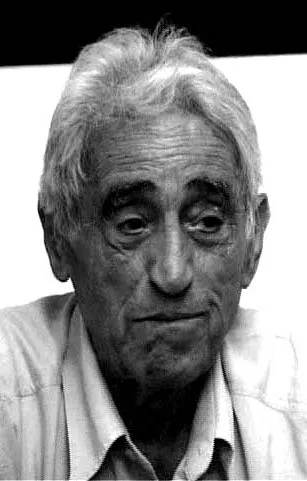
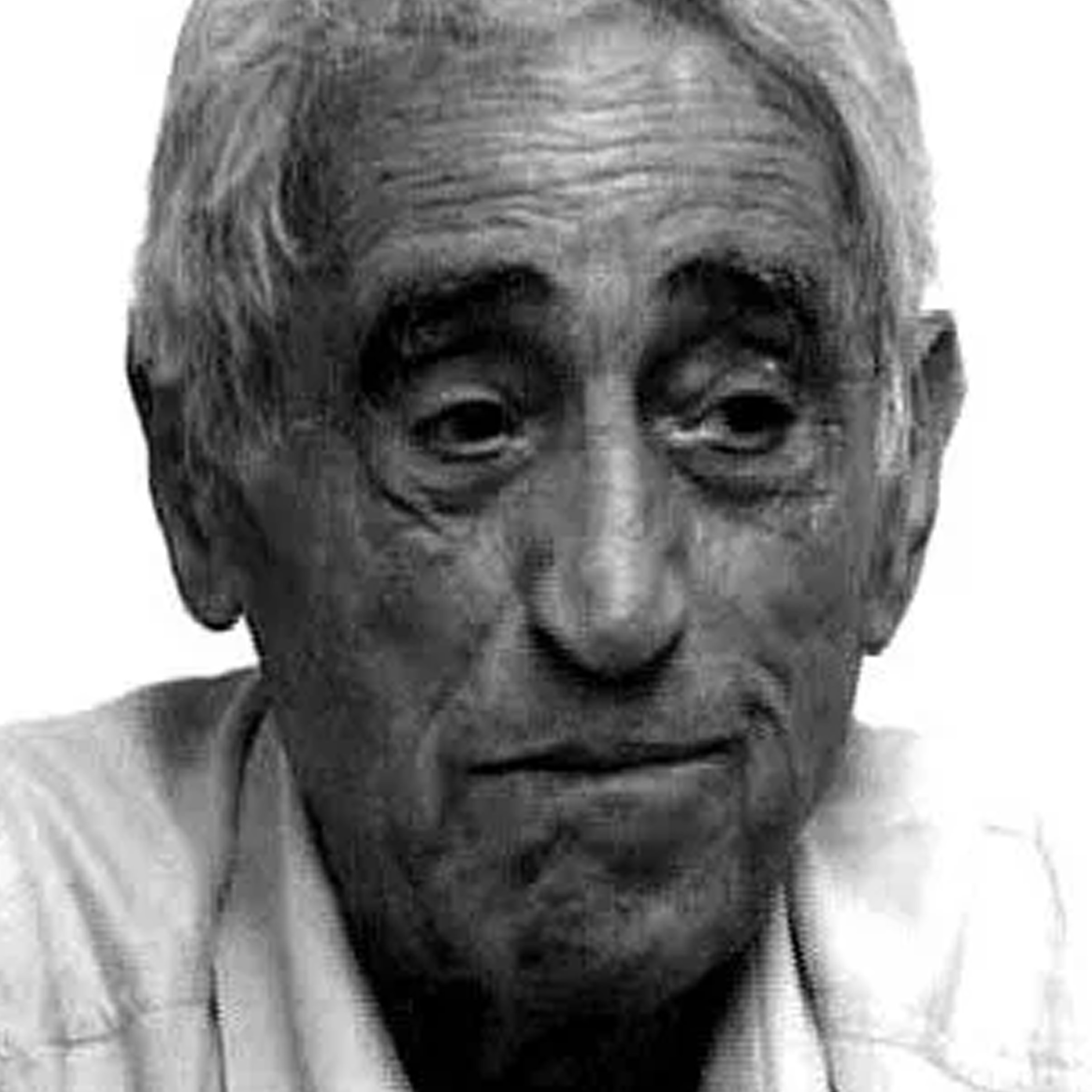
José Iglesias Paz
- Known for
- Warfighter
- Born
- Died
Biography
Spanish anarchist, anarcho-syndicalist and anti-fascist combatant. Born in Lobios (Ourense, Galicia). Moved to Sallent, Barcelona, to work in the potash mines, where his brother was already working. In 1935 joined the National Confederation of Labour (CNT) and the Juventudes Libertarias in Sallent, becoming its secretary. In July 1936, with the outbreak of the fascist military coup, he attended night school in order to take the entrance exam for the Post Office. He was immediately incorporated as a medical orderly into the Tierra y Libertad Column formed in the mining region of Upper Llobregat, and after a few weeks of training in Barcelona, left for the Central front. He participated in various battles, including Talavera de la Reina, Toledo, San Martin de Valdeiglesias, Àvila. In early 1937, after his column was militarised in the II Battalion of the 153th Mixed Brigade, he fought on the Aragon front, where he participated in the failed assault on Belchite. For a while José he was assigned, although reluctantly, to work in military censorship, working under the Stalinist Santiago Carillo. During the events of May 1937, he was forced to defend himself, with gun in hand, from a group of Stalinists who wanted to kill him and, with a few comrades, succeed win helping free his brother, a militant of the CNT, held in a communist prison. In February 1939, during the withdrawal, he crossed the Pyrenees and was interned in the concentration camp at Saint Cyprien, from where he managed to escape 18 months later. For two months he worked in a mine in the area of Lourdes, but after spending two months in hospital due to poisoning, ending up interned in the camp of Argelès. Two months later he managed to escape and found a job as a lumberjack. In 1942 he was arrested in Perpignan and forced to work in Bordeaux under the Service du Travail Obligatoire (STO). In October he was sent by train to Baden-Baden and then onto to Karlsruhe to work in a munitions factory. When he was released, he had to remain hospitalised three months recovering from malnutrition. After the Second World War he returned to France and settled first in Paris and then in Lyon, where he played in the Movimiento Libertario Español (MLE) in exile and supporting the anarchist action groups leaving for Franco's Spain. In July 1948, as a delegate of the Legal Section of the CNT, he clandestinely crossed into the Peninsula to Roncesvalles, with the task of assisting (find lawyers, bribe judges, etc.). He was specifically in charge of aid and assistance to prisoners in Valencia, Barcelona, Zaragoza and Madrid, settling in Terrassa, Barcelona. On May 3, 1950, having been denounced by the mother of one of his colleagues, he was arrested along with several members of action groups, including Silvio Aiguaviva Vila, Pedro Meca López, Ginés Urrea Piña and Santiago Amir Gruañas, and tortured for 17 days in the dungeons of the Direcció de Policia (Police Directorate). On February 6, 1952, he was tried at a court martial, with thirty members and supporters of libertarian action groups, and sentenced to death, along with eight other companions. Five of them (Santiago Amir Gruañas, Pere Adrover Font, Jordi Pons Argilés, José Pérez Pedrero and Ginés Urrea Piña) were executed on March 14, 1952, and the remainder had their sentences commuted to 30 years in prison. For two years he remained locked in Barcelona's Modelo prison, where he was responsible for the library, and was then transferred to the prison of Dueso (Santoña). In 1961, following an amnesty, he was put on probation and went to Galicia, where he worked in municipal services in several locations (Ponferrada, Lugo, Vilalba, vilagarcía, etc..), But was always dismissed because of police harassment. In 1968 he married Pilar Rodriguez. Unable to find steady work, he went into exile in 1972 with his partner and her son George in Switzerland, settling first in Locarno and then Lugano, where in 1973 achieved the status of political refugee. He worked as a bricklayer and grocer and participated in the activities of the local anarchist movement, always in contact with the CNT and militants in the Italian section of the Lega Svizzera dei Diritti dell'Uomo (Swiss League of Human Rights). Following the death of the dictator Francisco Franco, he regained the Spanish passport in July 2003 and finally returned to Galicia with his partner, settling in San Bieito and resuming contacts with the Galician CNT. The April 17, 2004 he participated in the Second 'Xornadas Cangas pola Memoria Común' (Cangas Days of Common Memory) and in November 2005, with Joaquina Dorado Pita and others, on the Libertarian Days Compostela. He also talks, participated in several local meetings and, on 05 January 2006, in the Antifascist Days II Lalin. Jose Iglesias Paz died on June 10, 2006 at the hospital in Ourense (Galicia) and was buried two days later in his hometown to many colleagues and after a speech of tribute paid by Rosa Bassave, secretary of the CNT de Compostela. He left unpublished autobiographical notes, parts of which were collected in the Italian edition of Albert Minnig's 'Diario di un volontario svizzero nella guerra di Spagna' (1986).
Archive
Gallery