Basket Empty
Compendium
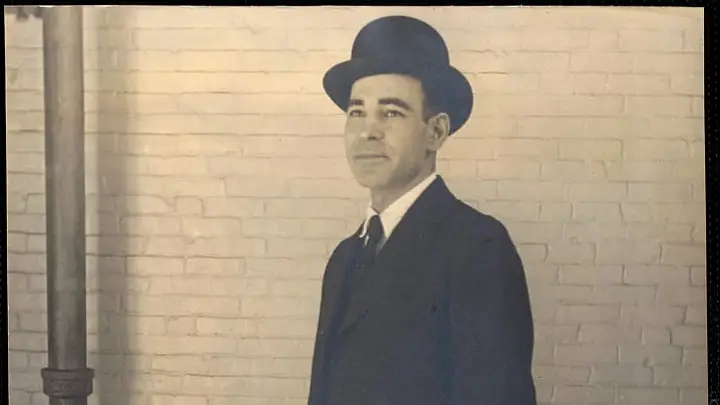
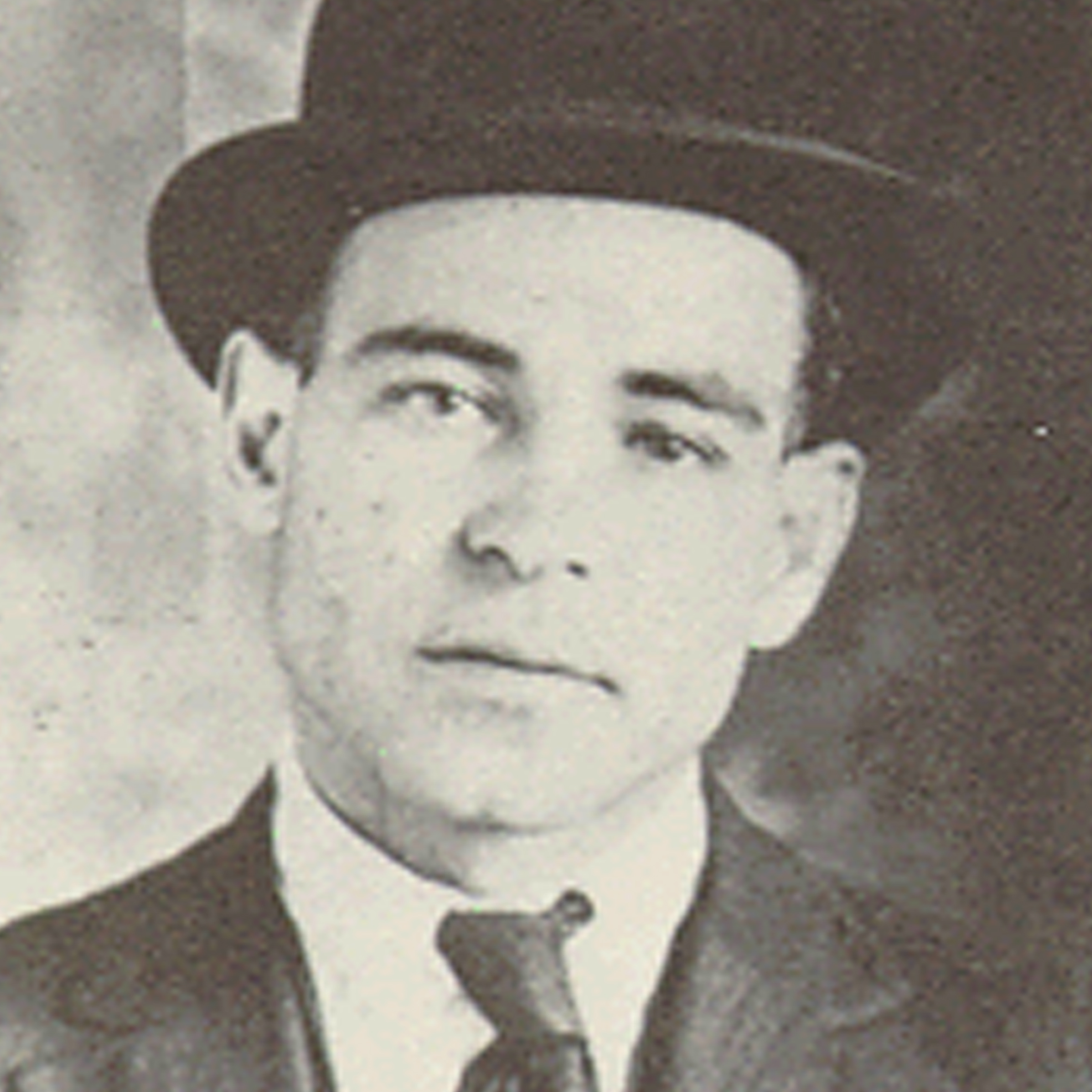
Nicola Sacco
- AKA
- Fernando Sacco
- Known for
- Prisoner
- Born
- Died
Biography
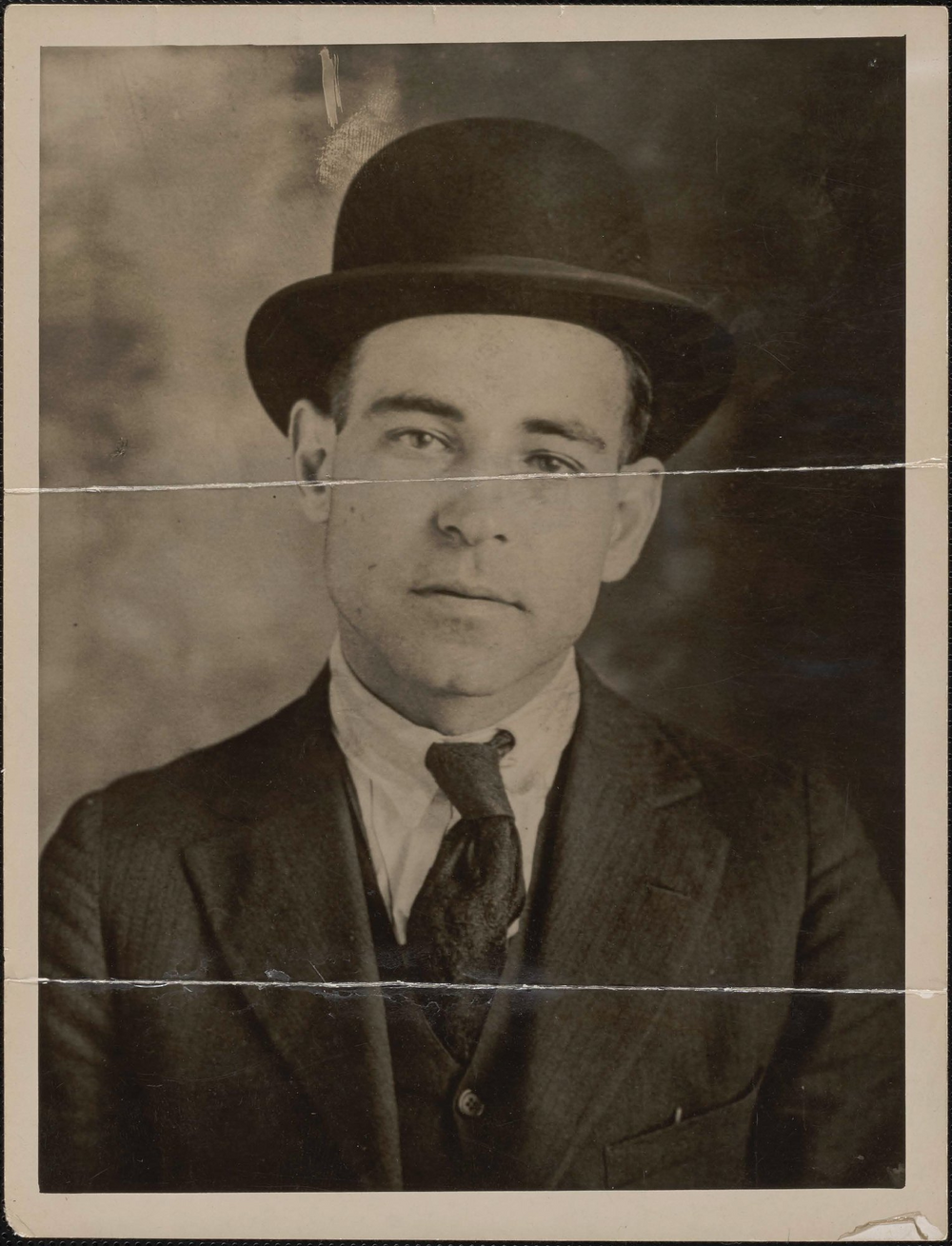
Nicola Sacco, born Fernando Sacco, was born on April 22, 1891, in Torremaggiore, in the province of Foggia, in the Apulia region of Italy. He came from a modest rural family. His father was a small landowner who cultivated a small olive grove, within an agricultural economy dominated by large estates. As a young man, Sacco became unwilling to continue working as an agricultural laborer and decided to seek a different life abroad. In April 1908, at the age of seventeen, he emigrated to the United States. He left Naples aboard the Principe di Piemonte and arrived at Ellis Island in New York on May 2, 1908.
Like many Italian immigrants of his generation, Sacco initially experienced working life in America through manual labor. He held several jobs before finding employment at the Three K shoe factory in Stoughton, Massachusetts. His life in the United States eventually became more settled. He married Rose Sacco and established a family, and they had a son, Dante. Sacco's early years in America therefore combined the experience of an immigrant worker with the responsibilities of marriage and family life.
By 1913, Sacco had become involved in Italian-American anarchist circles. He met Bartolomeo Vanzetti several years later, around 1917. The two men developed a close political association that would eventually make their names inseparable. The article describes Sacco as becoming increasingly radical and identifies the anarchist Luigi Galleani as an important representative of the revolutionary current to which he became attached. Sacco eventually obtained American citizenship after living in the United States for more than five years.
Sacco's political commitments became particularly important when the United States entered the First World War on the side of the Allies. He opposed participation in the war and, together with Vanzetti, went to Mexico. According to the source, the purpose of this departure was to avoid the obligation to register for the future mobilization of troops. His decision reflected the importance of antimilitarist and anarchist convictions in his life.
On April 15, 1920, at 3 p.m., a group of four or five men shot down Alexander Berardelli and Frederick A. Parmenter who were carrying the payroll of Slater and Morrill, at a point in front of the Rice & Hutchins factory. The attacking party then escaped by automobile.
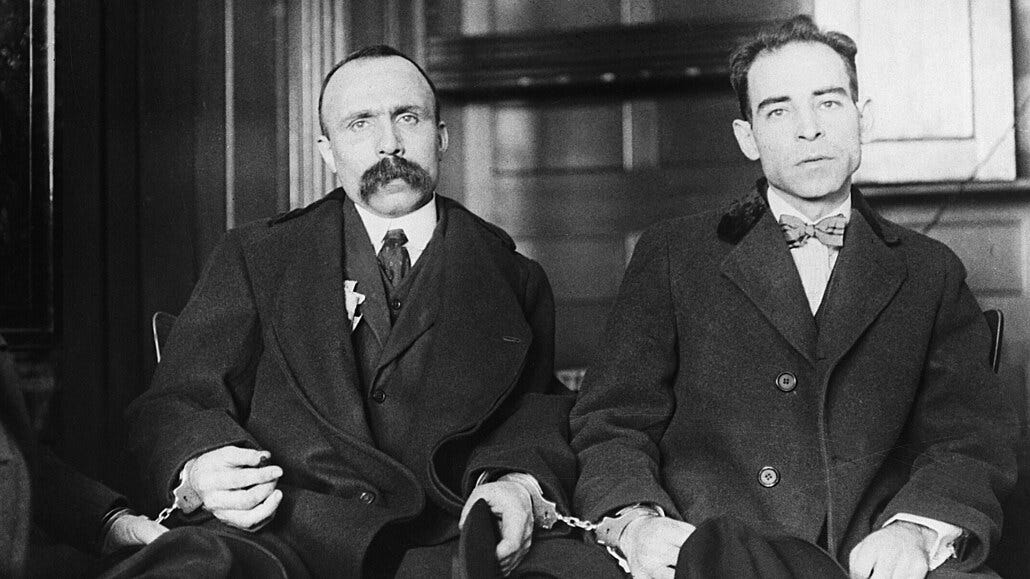
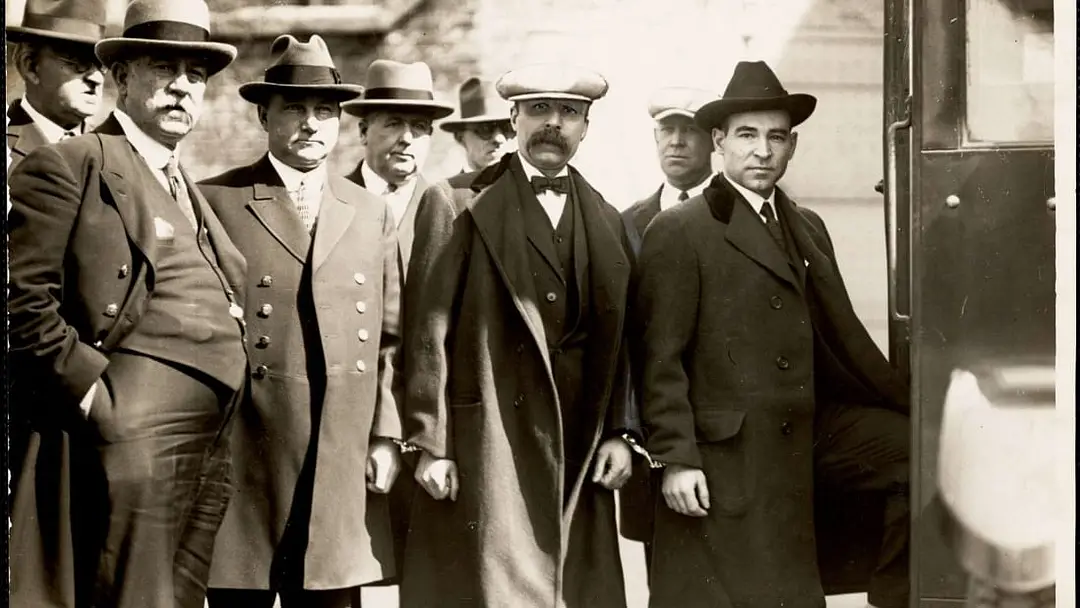
On May 5, 1920, Nicola Sacco and Bartolomeo Vanzetti were arrested at Brockton, Mass. Vanzetti initially believed the arrest was connected to immigration and deportation proceedings. Instead, h0e was convicted in a separate Bridgewater robbery case. The judge for this case, Webster Thayer, was openly hostile to foreigners and had made speeches opposed to anarchism. After an eleven-day trial and sentenced to twelve-fifteen years in prison, despite sixteen people testifying that they had bought eels from Vanzetti during the time from of the Robbery.
The same judge, later presided over the murder trial involving Vanzetti and Sacco.
On July 14th, 1921.They were convicted of first degree murder. Over the next few years, they would fight on the legal front for a fair trial. Both wrote dozens of letters asserting their innocence, insisting they had been framed because they were anarchists. To no avail.
On April 9, 1927, death sentences were imposed.
On August 23, 1927, Nicola Sacco and Bartolomeo Vanzetti were executed via electric chair at the Massachusetts State Prison in Charlestown, near Boston.
Quote
"So I turn over towards the soldiers and I said, 'Brothers, you will not fire on your own brothers, because they tell you to fire; no, brothers, remember that everyone of us has has mother and child, and you know that we fight for the freedom which is your freedom.'"
Archive
Gallery