Basket Empty
Compendium
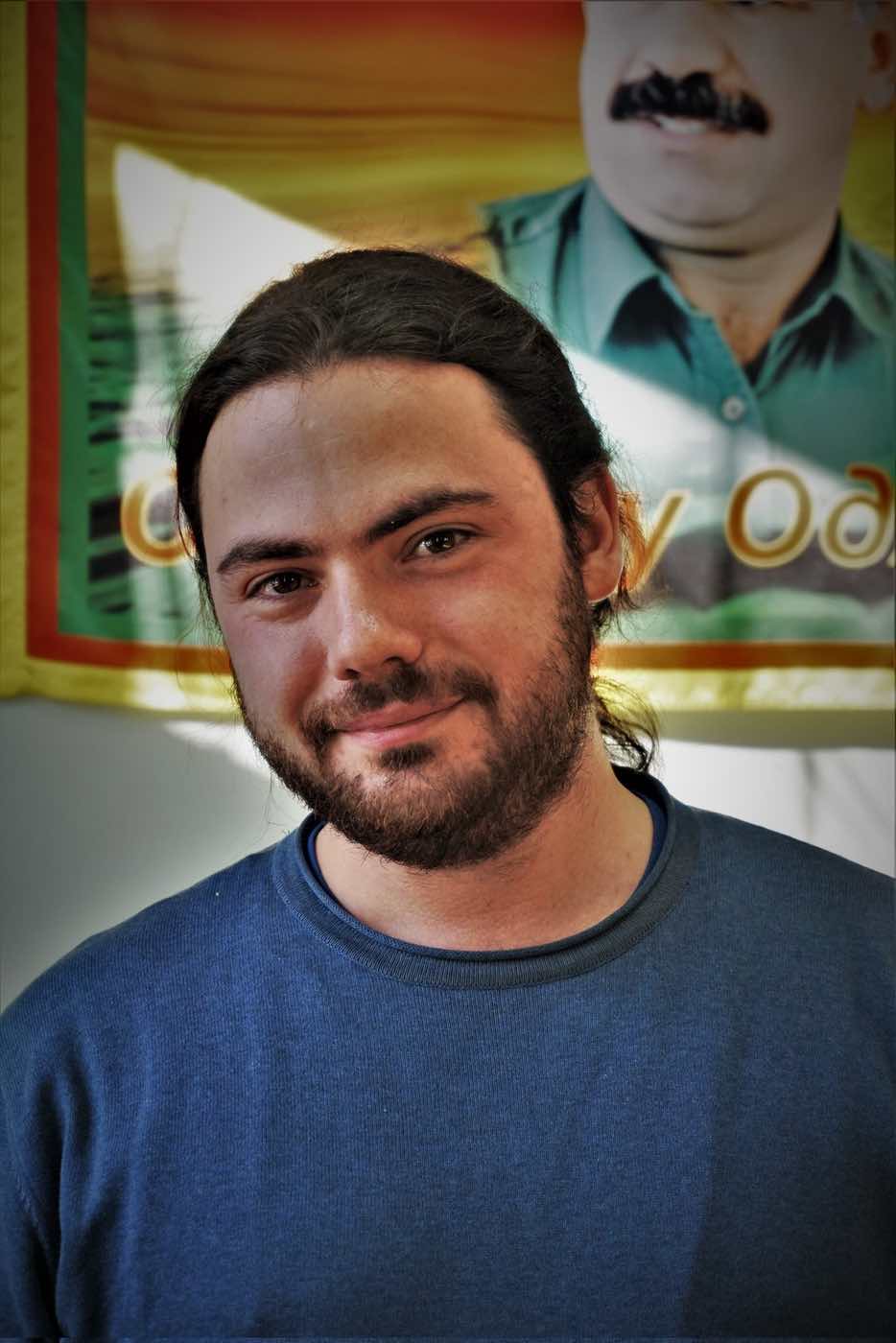
Dmytro Petrov
- AKA
- Leshyi
- Known for
- Warfighter
- Born
- Died
Biography
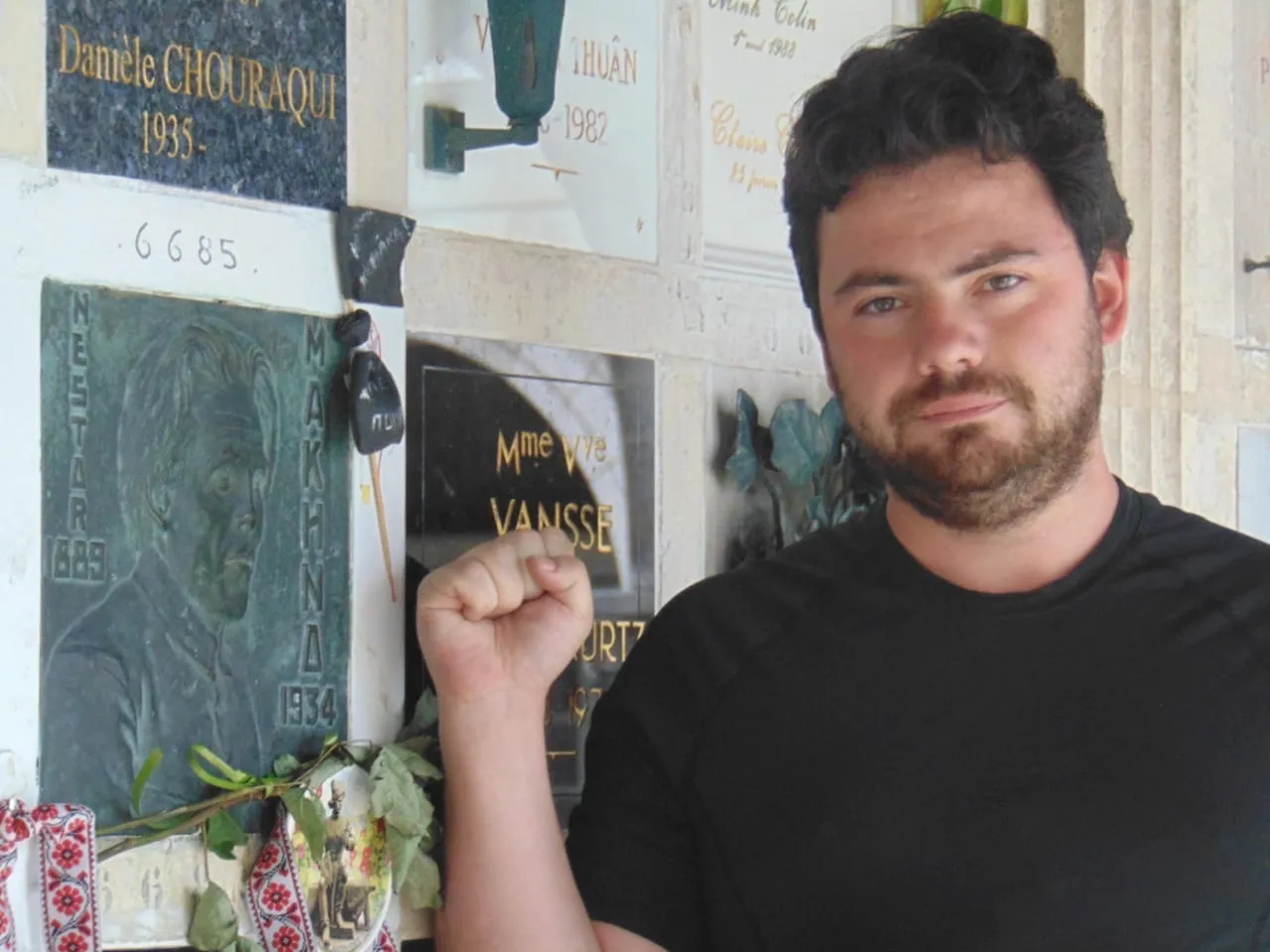
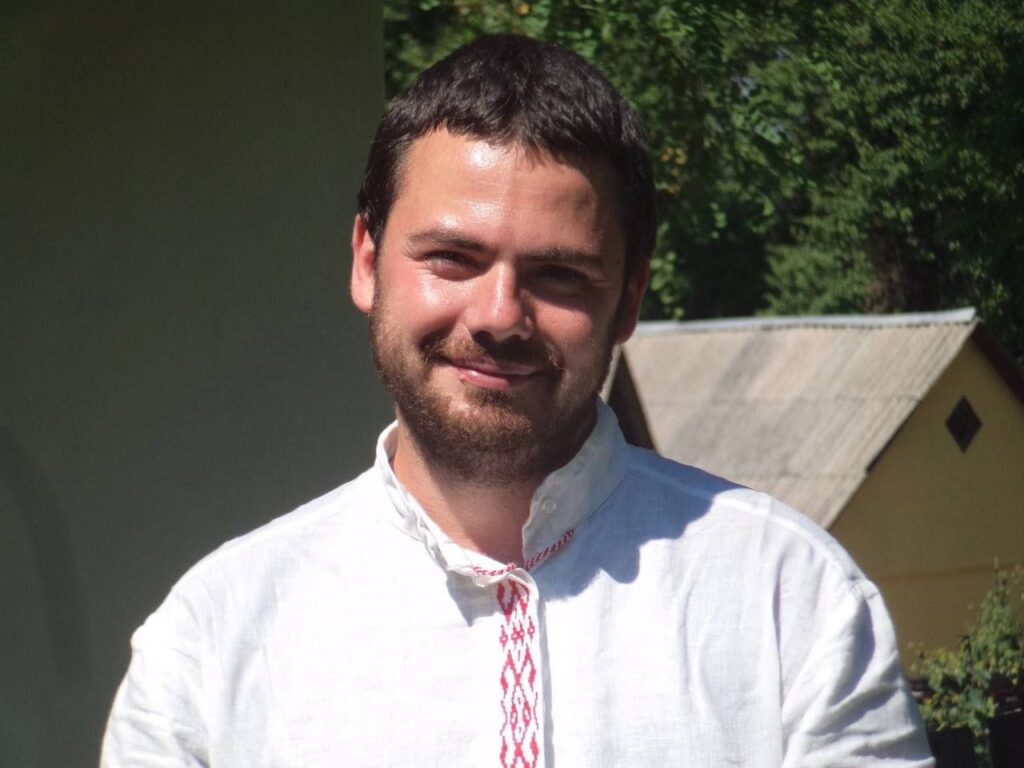
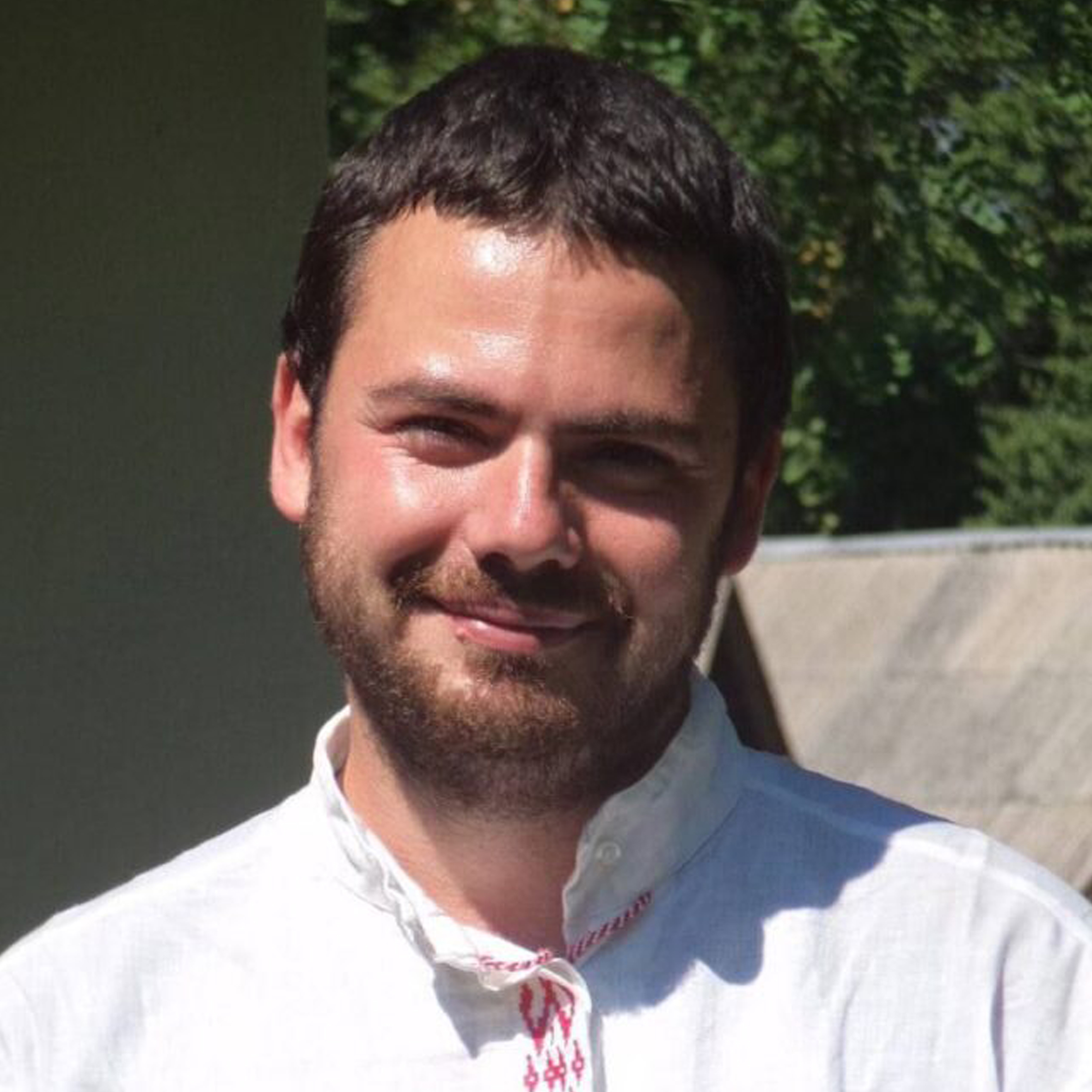
Born on 9 September 1989 in the Soviet Union. He grew up in Moscow in a family in which political history and literature were discussed. His father, the writer and journalist Dmitry Pavlovich Petrov, told him stories about the Makhnovist movement during the Russian Civil War. As a child, Petrov was taken to the Falanster independent bookshop in Moscow, where he encountered the anarchist magazine Avtonom. He subsequently attended the Bespartshkol discussion and lecture circle at the Jerry Rubin Club. By the age of fifteen, he was participating in anarchist circles and contributing articles to samizdat publications.
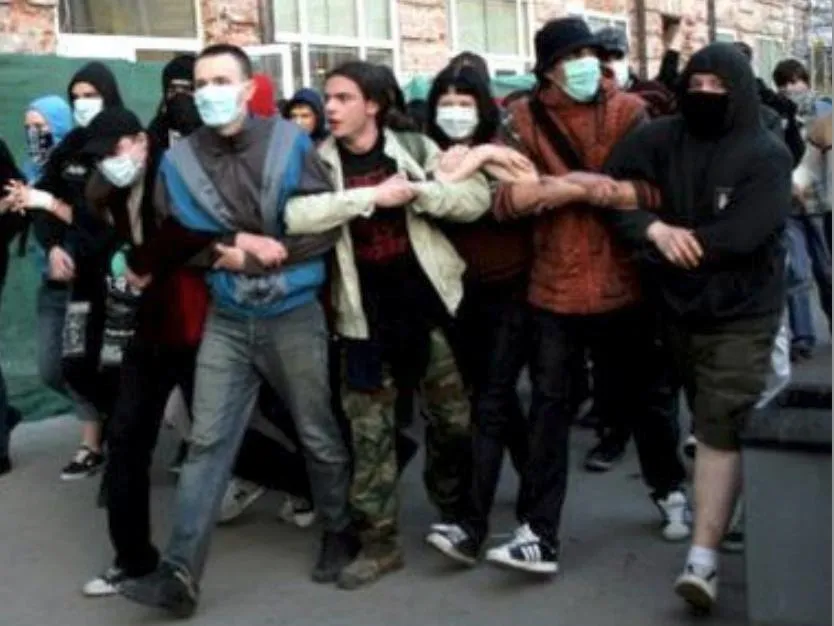
During his teenage years, Petrov became involved in environmental activism and was known among other activists by the nickname “Ekolog,” meaning “ecologist.” He participated in campaigns against urban development and the destruction of green spaces in Moscow, including efforts to defend Bitsevski Park. He also participated in Food Not Bombs, the Interprofessional Workers’ Union, and other anarchist initiatives. At the same time, he became involved in Moscow’s anti-fascist movement. He attended and defended concerts and political events that were threatened by neo-Nazi groups and participated in street confrontations with fascists. He was associated with the circle surrounding the anti-fascist activist Ivan “Kostolom” Khutorsky.
In the late 2000s, Petrov became involved in clandestine anarchist activity alongside his public activism. In February 2009, a group calling itself People’s Retribution carried out an arson attack against police vehicles in Moscow. Petrov subsequently participated in the development of the Black Blog, an anonymous platform that reported on clandestine actions by anarchist groups. The activities reported by the site included attacks against police facilities, military-registration offices, state-party offices, and construction equipment. Petrov was also involved in ecological resistance to construction projects and became associated with a generation of Russian anarchists who combined public campaigning with clandestine direct action.
Petrov continued his political activity during the Russian protest movement of 2011–2012. He participated in demonstrations in Moscow and was present at the Bolotnaya Square protests in May 2012, when clashes occurred between demonstrators and police. After the repression that followed, he continued working both through public organising and clandestine networks.
In February 2014, Petrov travelled to Kyiv to participate in the Maidan uprising. He spent approximately ten days there, helping organise the Ukrainian House, delivering supplies, and participating in fighting during the clashes of 18 February. He also attempted to establish an anarchist presence within the broader protest movement. He participated in efforts to create a Left Hundred and organised anarchist literature and discussions at the Ukrainian House.
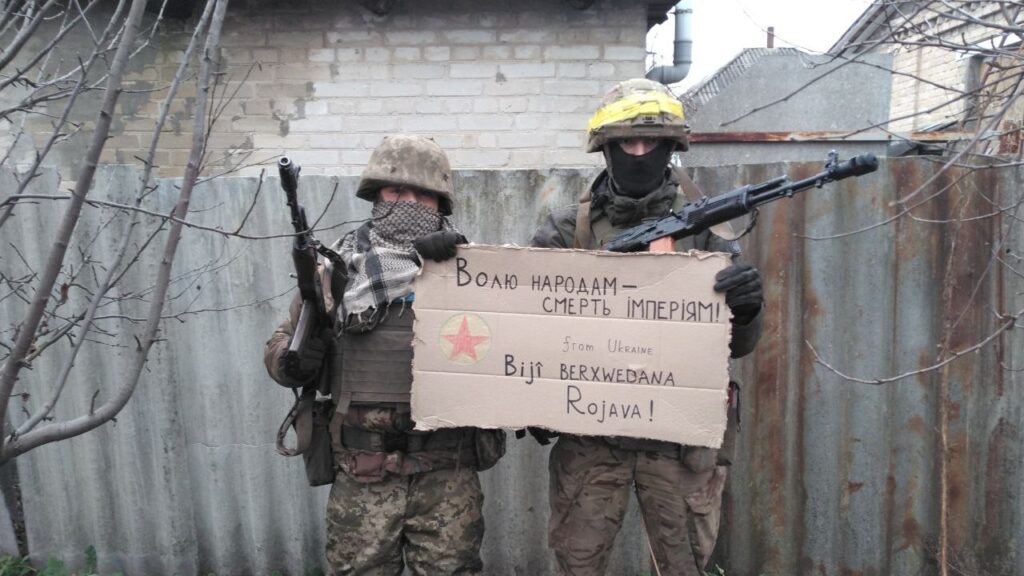
Petrov subsequently became involved with the revolutionary movement in Rojava, the Kurdish-led autonomous region in northern Syria. Inspired in part by writing about the region, he travelled there while the war against the Islamic State was underway and spent approximately six months there. He studied Kurmanji and developed relationships with participants in the Kurdish revolutionary movement. He later contributed to publications and research projects concerning Rojava and helped produce books including Life without a State: Revolution in Kurdistan. He also sought to introduce Russian-speaking audiences to developments in Kurdistan while communicating anti-authoritarian ideas to Kurdish activists.
Alongside his political activities, Petrov pursued an academic career. He studied history and received a PhD in 2016 for a dissertation on the sacred geography of the eastern parts of Arkhangelsk Oblast. He worked as a researcher at the Center for Civilizational and Regional Studies of the Institute for African Studies of the Russian Academy of Sciences. He travelled extensively through Russia, documenting landscapes, historical sites, museums, and other places of cultural interest. His academic and journalistic interests extended beyond Russia to the political and social developments of Kurdistan.
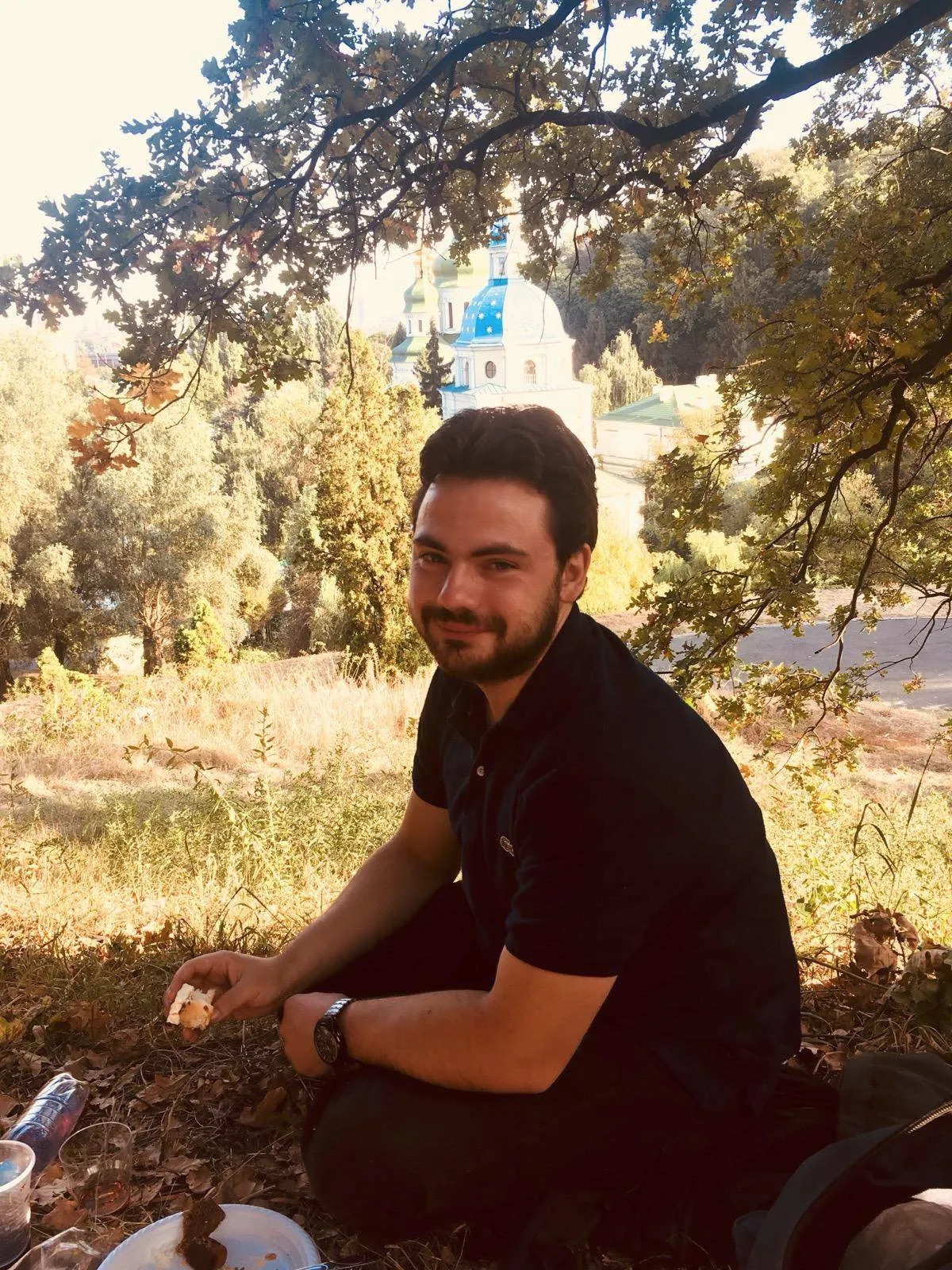
In 2018, Petrov left Russia after learning that Russian security forces were interested in him amid increasing repression of anarchists and anti-fascists. He settled in Kyiv, where he joined a community of Russian and Belarusian anarchist emigrants. Their activities included political discussions, cultural projects, street actions, and attempts to establish organised structures. From Ukraine, Petrov also continued communicating with anarchists inside Russia. That year, the Anarchist Combatant network appeared, and Petrov became involved in the formation of the Anarcho-Communist Combat Organisation (BOAK) , contributing to its theoretical work, practical organisation, and international connections.
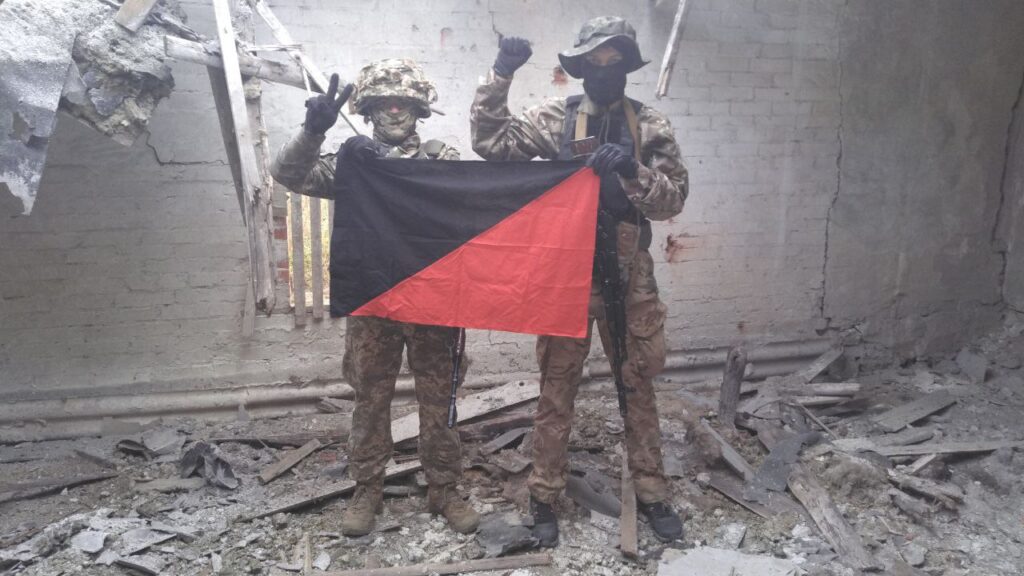
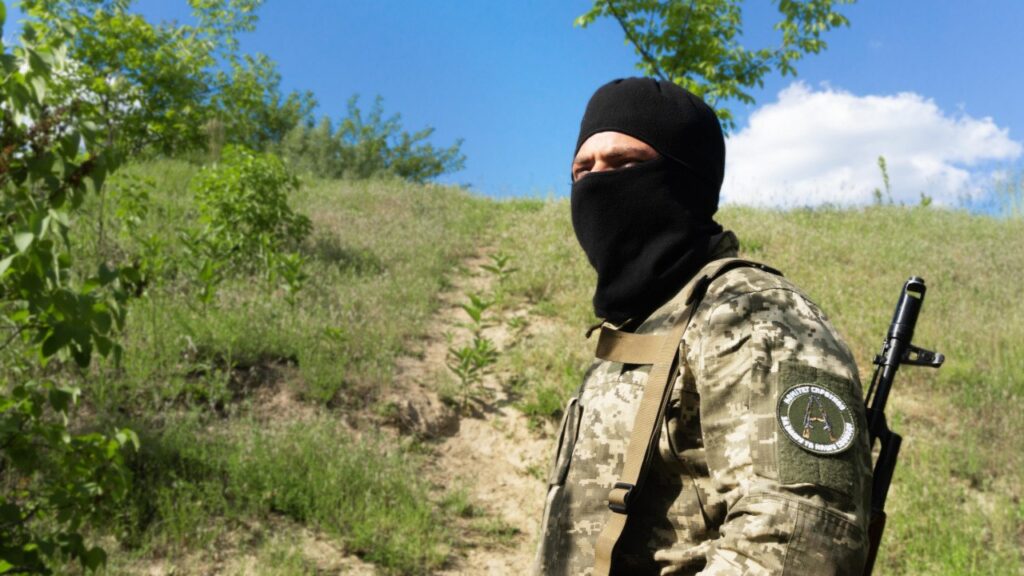
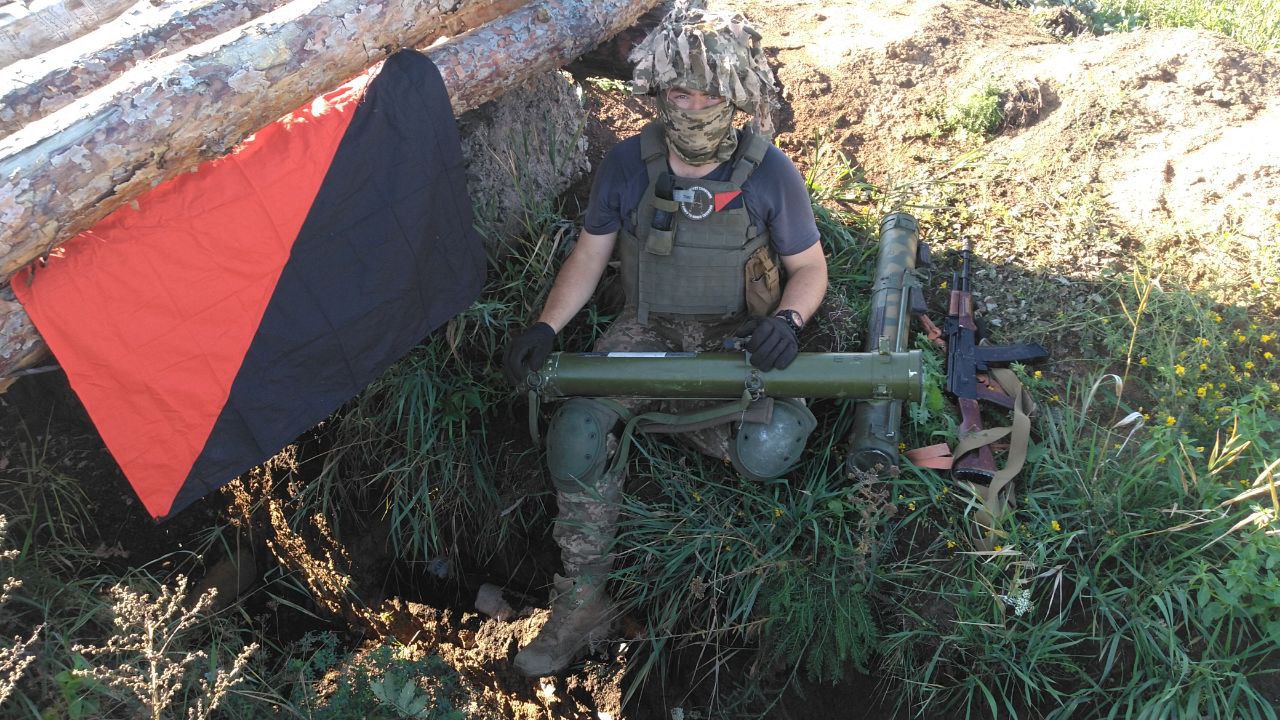
When Russia launched its full-scale invasion of Ukraine in February 2022, Petrov joined an anti-authoritarian military formation. During the initial phase of the invasion, he and his comrades participated in the territorial defence of the Kyiv region. Their unit was later incorporated into Ukraine’s Territorial Defense Forces, although bureaucratic difficulties prevented the group from immediately functioning as an independent combat unit. Petrov later participated in fighting elsewhere in Ukraine and continued to advocate for an organised anti-authoritarian military presence.
Petrov was known by several names during different periods of his life, including Ekolog, Ilya Leshy, Fil Kuznetsov, Seva, and Lev. In 2022 and 2023, he continued serving in Ukraine as a member of an anti-authoritarian military formation. He participated in the fighting around Bakhmut in Donetsk Oblast.
On 19 April 2023, Dmitry Petrov was killed in combat near Bakhmut at the age of 33. Two other internationalist fighters, American Cooper Andrews and Irishman Finbar Cafferkey, were killed in the same battle. Petrov’s death was publicly confirmed by his comrades approximately a week later.
Quote
I did this for justice, for defense of the Ukrainian society and for liberation of my country, Russia, from oppression.
Archive
Gallery