Basket Empty
Compendium
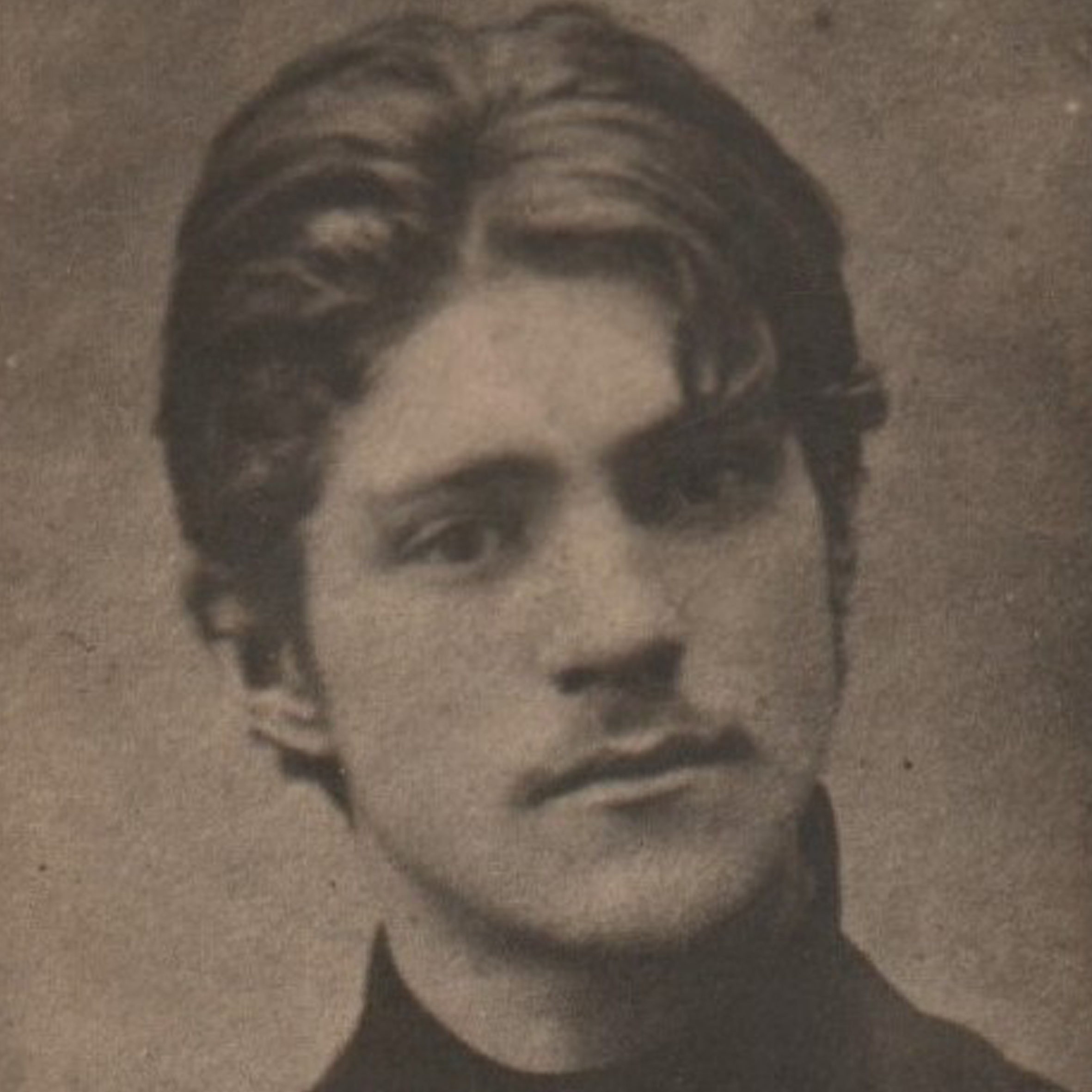
Emil Szittya
- AKA
- Adolf/Avraham Schenk
- Known for
- Writer and Artist
- Born
- Died
Biography
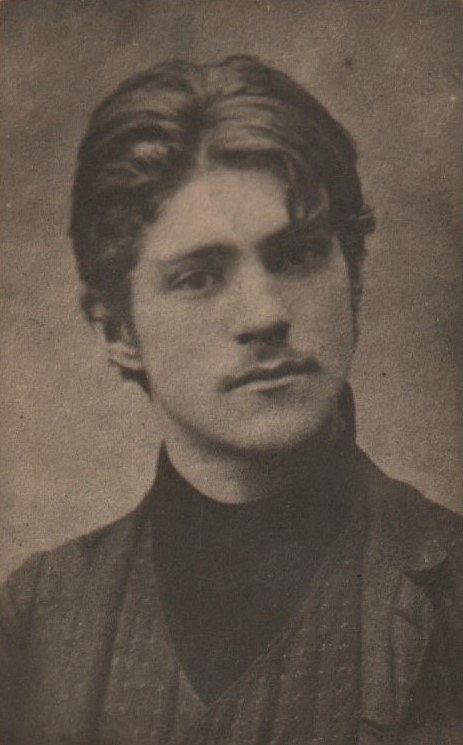
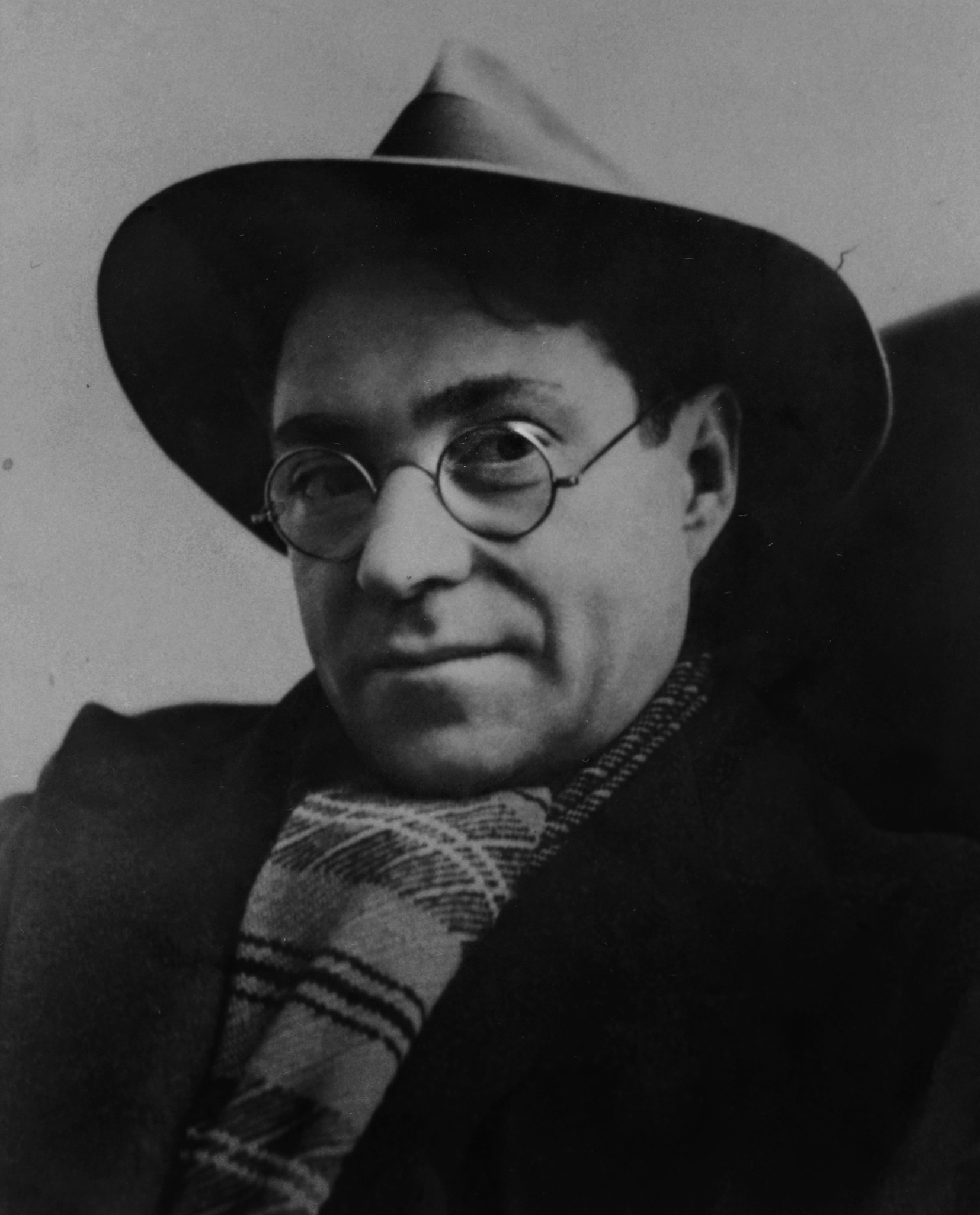
Hungarian anarchist, writer, journalist, painter, art critic, traveller and vagabond, born. He arrived in Paris in 1906 and, later that year moved into the Monte Verità settlement at Ascona. Around 1908, he met Blaise Cendrars in Leipzig and, when the pair were reunited in Paris the following year, they launched the Franco-German magazine 'Neue Menschen : Les Hommes Nouveaux' (The New Men), the first of a series of anarchist magazines that Szittya would go on to publish. A second series would be published in 1911 in Vienna and Munich in collaboration with the Dadaist and anarchist Hans Richter. In October 1912, he collaborated with Marius Hanot, Blaise Cendrars and Freddy Sausey on the first issue (third series) of the French version of 'Les Hommes Nouveaux. Review Libre'. Only one issue would emerge from the collaboration. When war broke out in 1914, he moved to Zurich, where he remained until 1918, getting to know Lenin, Radek and Trotsky. In 1915, in collaboration with Hugo Kersten and Walter Serner, he published the pre-Dadaist 'Der Mistral' and frequented the Cabaret Voltaire from it inception in 1916.
There he met a fellow Hungarian, the painter and writer Lajos Kassák who published the avant-garde magazine 'A Tett' and with whom he returned to Hungary in 1918 to take part in the revolution. Following time spent in Budapest, Vienna and Berlin publishing numerous magazines, including 'Horizont-füzet / Horizont-Flugschriften / Horizont-Heften' with Hans Richter and Karl Lohs, he fled the rise of fascism and returned to Paris, where he published the anti-fascist magazine 'La Zone' (1933-1934), a "cross-section of German politics, culture, science, art, theatre, music and radio." In the early 1930s, he undertook a "journey through anarchist Spain" and wrote about his experinces in a report of the same name 'Reise durch das anarchistische Spanien', a vivid picture of pre-Revolutionary Spain, its people and politics. [The text apparently remained unpublished until 2011, when it appeared in 'Archiv für die Geschichte des Widerstandes und der Arbeit' No. 19.] With the Nazi invasion, he fled to the south of France and took part in the Résistance. In 1961 he was reunited with another fellow marginal revolutionary, Franz Jung, in Paris and his 'Hommage à Franz Jung' (1988) would be published posthumously. He also published a series of monographs on many of the leading contemporary European artists of the period, including Henri Rousseau, Pablo Picasso, Vincent van Gogh, Marc Chagall, Otto Dix, Oskar Kokoschka, Georges Braque, Frans Masereel, and others.
He also knew most of the European avant-garde such as the members of Les XX: Stravinsky, Darius Milhaud, Arthur Honneger, Erik Satie, etc., numerous artists including Picasso, Dix, Dressler, Derain and was important in championing Chagall, writing the first published review of his work. Szittya's memoir 'Das Kuriositäten-Kabinett: Begegnungen mit seltsamen Begebenheiten, Landstreichern, Verbrechern, Artisten, religiös Wahnsinnigen, sexuellen Merkwürdigkeiten, Sozialdemokraten, Syndikalisten, Kommunisten, Anarchisten, Politikern und Künstlern' (The Cabinet of Curiosities: Encounters with strange events, vagrants, criminals, artists, religious lunatic, sexual oddities, social democrats, syndicalists, communists, anarchists, politicians and artists; 1923), caused something of a scandal when published due to its depiction of the sexual activities of a number of prominent artistic and literary figures, including the 'outing' of John Henry Mackay. He also wrote under the pseudonyms Chronist, Emszi, and Emil Lesitt. Emil Szittya died in Paris on November 26, 1964.
Archive
Gallery