Basket Empty
Compendium
Omar Aziz
- AKA
- Abu Kamel
- Known for
- Syrian Anarchist and theorist advocating horizontal organisation
- Born
- Died
Biography
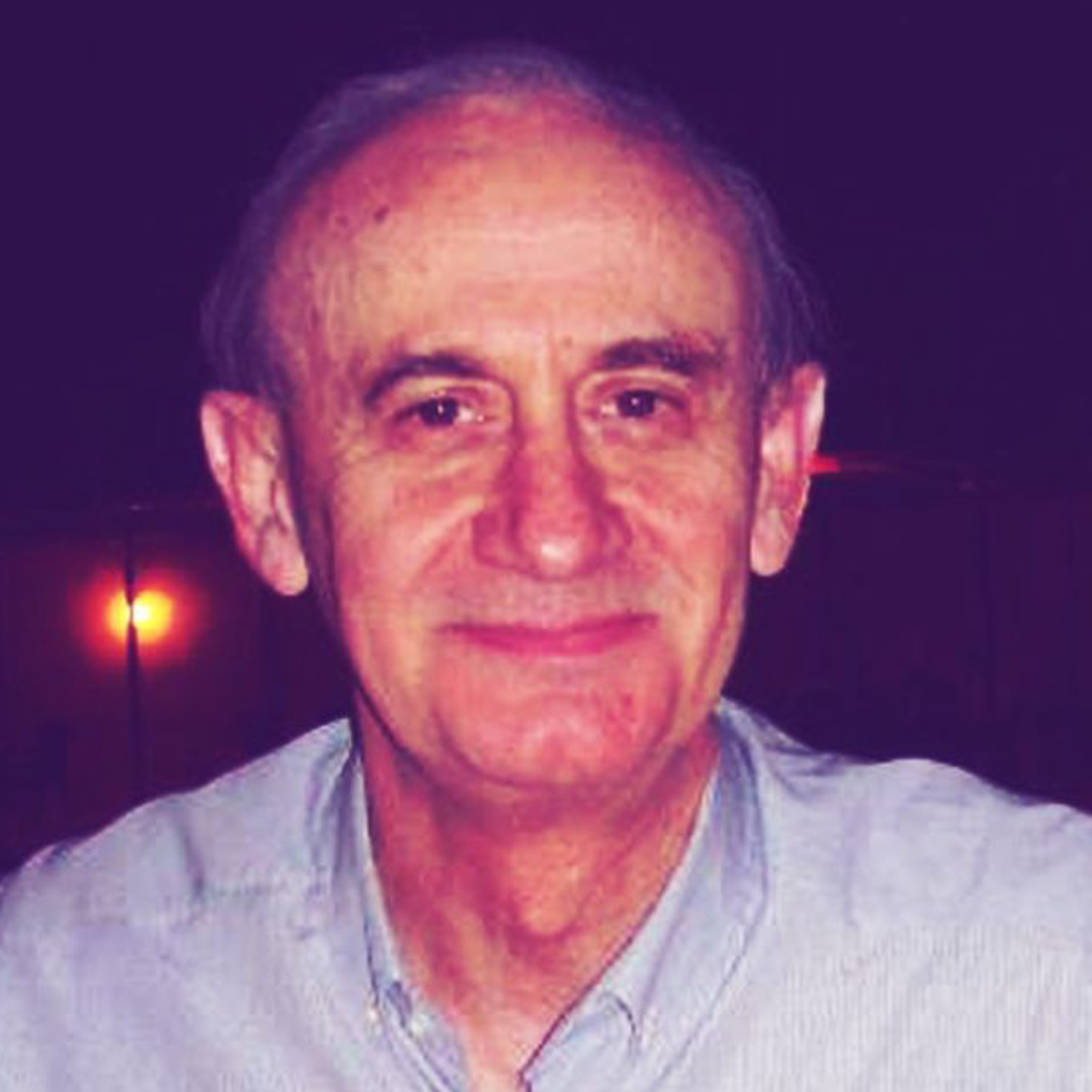
Syrian anarchist, intellectual, and revolutionary. He is known for his role in working with the Local Coordination Committees during the early stages of the Syrian Civil War and for his writings advocating horizontal organisation.
Born in Damascus. He returned to Syria from exile in Saudi Arabia and the United States in the early days of the Syrian revolution. An intellectual, economist, anarchist, husband and father, at the age of 63, he committed himself to the revolutionary struggle. He worked together with local activists to collect humanitarian aid and distribute it to suburbs of Damascus that were under attack by the regime. Through his writing and activity he promoted local self-governance, horizontal organisation, cooperation, solidarity and mutual aid as the means by which people could emancipate themselves from the tyranny of the state. Together with comrades, Aziz founded the first local committee in Barzeh, Damascus. The example spread across Syria and with it some of the most promising and lasting examples of non-hierarchical self organisation to have emerged from the countries of the Arab Spring.
Omar Aziz did not live to see the often seemingly insurmountable challenges that would beset Syria’s revolutionaries, or the successes and failures of experiments in local self-organisation. On 20 November 2012, he was arrested from his home by the mukhabarat (much feared intelligence service). Shortly before his arrest he said “We are no less than the Paris Commune workers: they resisted for 70 days and we are still going on for a year and a half.”Aziz was held in an intelligence detention cell of 4 by 4 meters which was shared with 85 other people. This likely contributed to the deterioration of his already weak health. He was later transferred to Adra prison where he died from heart complications in February 2013, a day before his 64th birthday.
Quotes
The Revolution transformed individuals themselves to broaden the horizons of their own lives once they ensured that the conflict was their means of liberation and, thus, marked their continuity and cooperation with the struggle enduringly. They were able to discover their newly defined capabilities of innovation and invention, of rich social engagements and assorted colors, that were different than what they had initially entrusted while being restricted under a single tyrannical killer for half a century.
We are no less than Paris Commune workers: they resisted for 70 days and we are still going on for a year and a half.
Archive
Gallery